








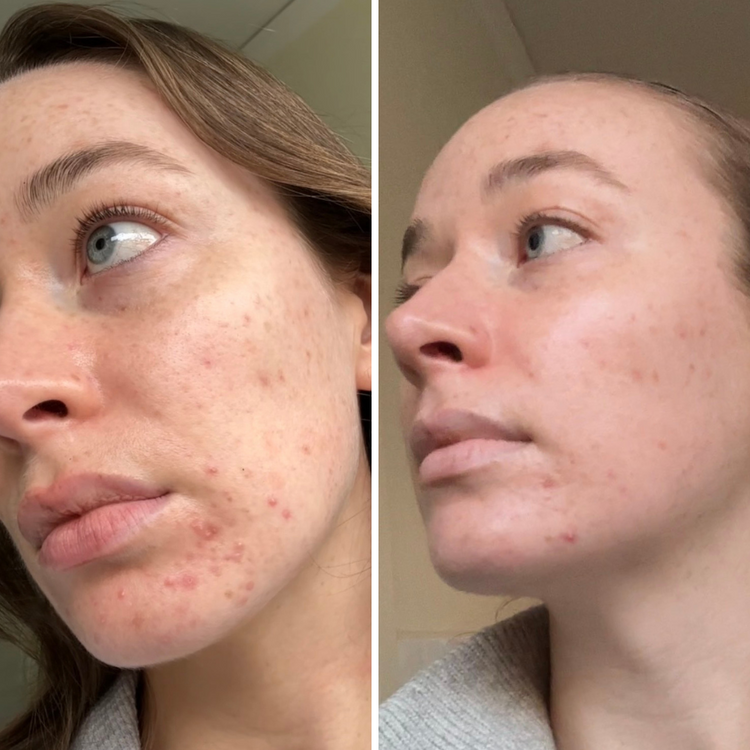
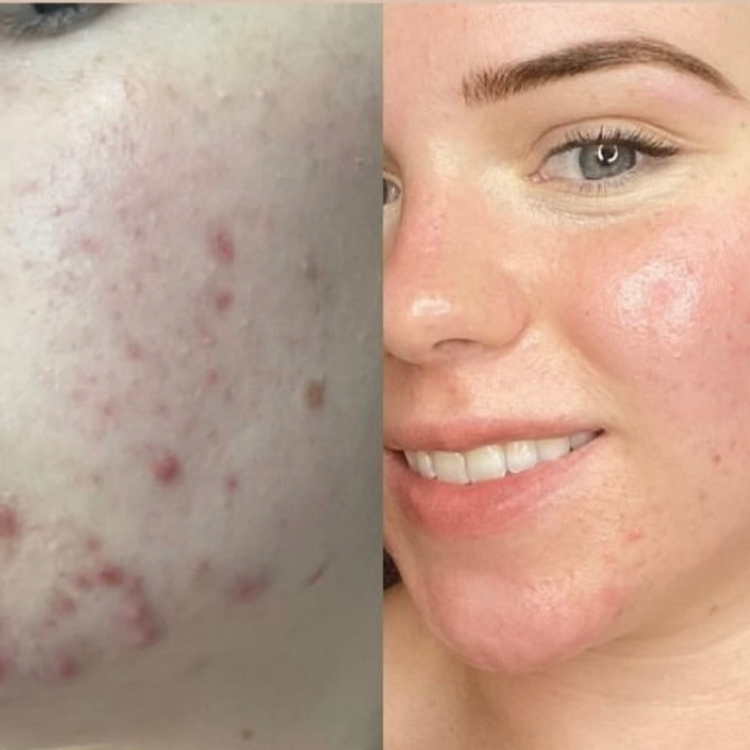
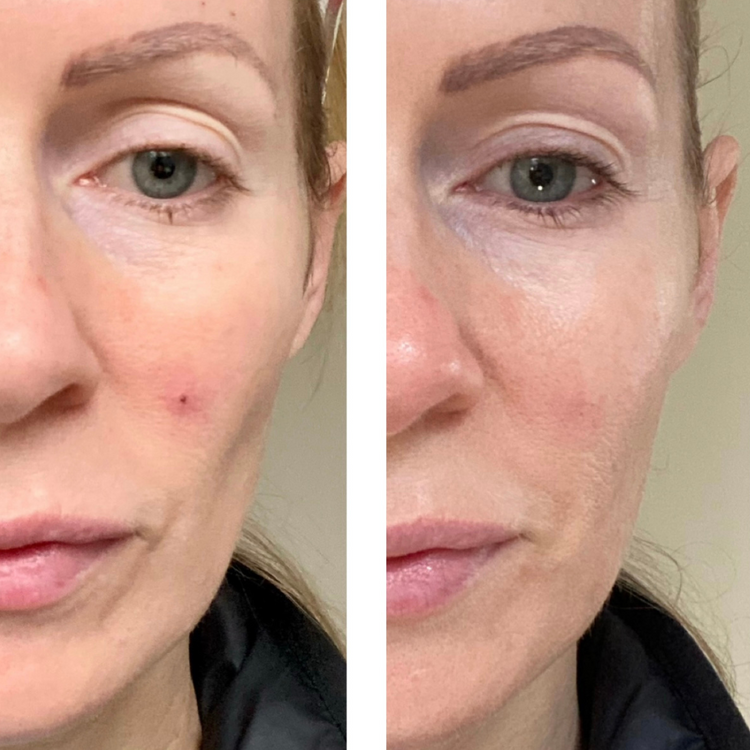
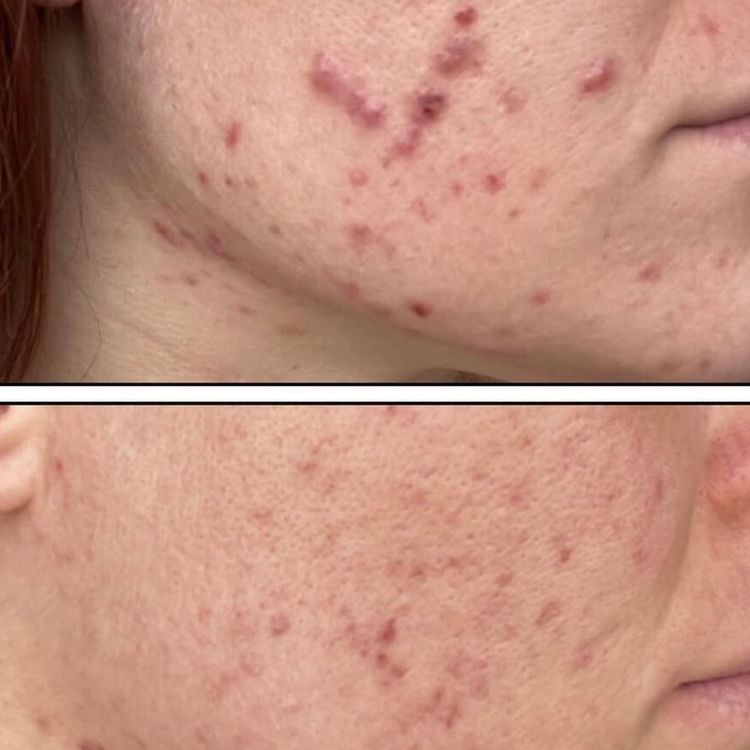
Results that speak for themselves
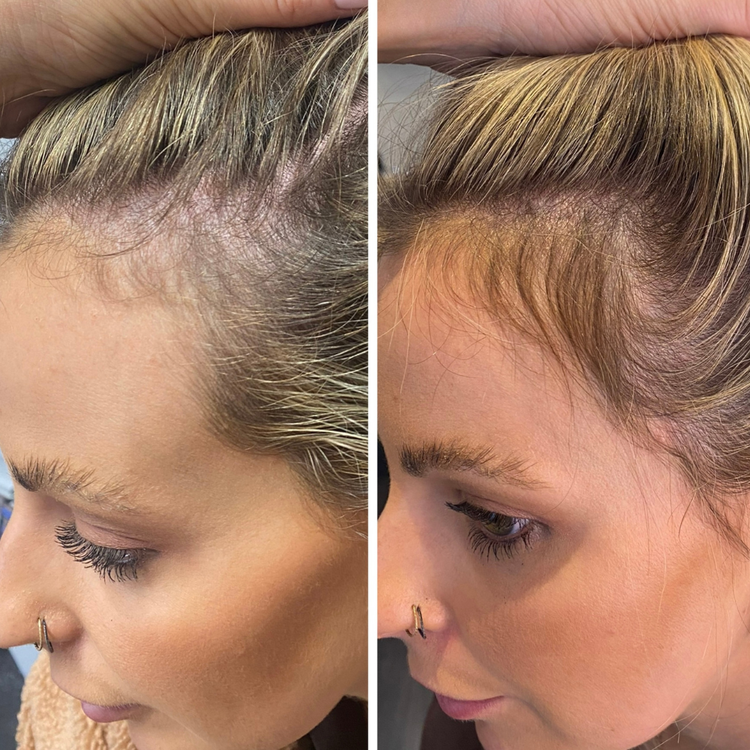
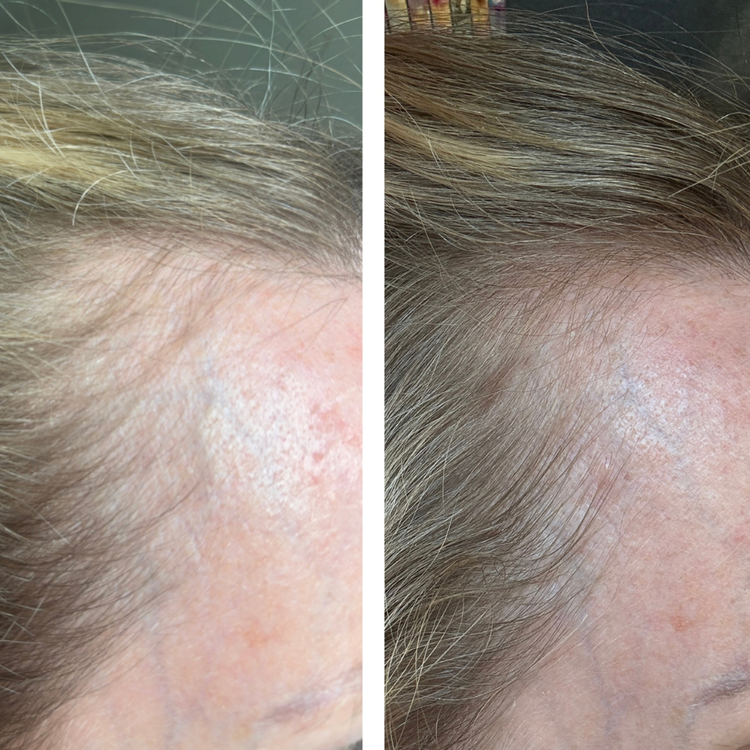
See the change and feel the confidence. Our LED devices don’t just guarantee results — they transform what’s possible for your skin.


Bestsellers
Experience our award-winning LED designed to rejuvenate, refine, and restore your complexion.
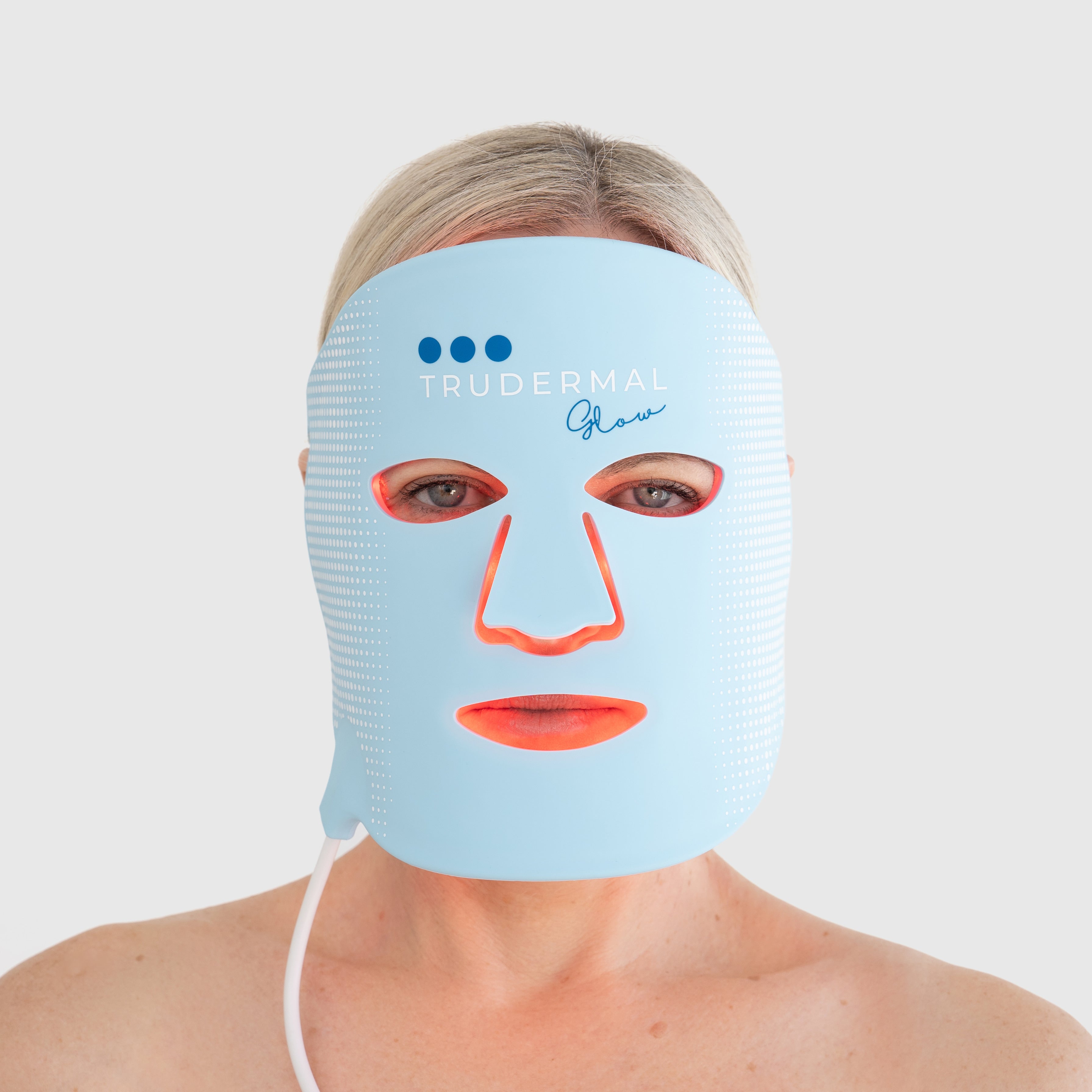
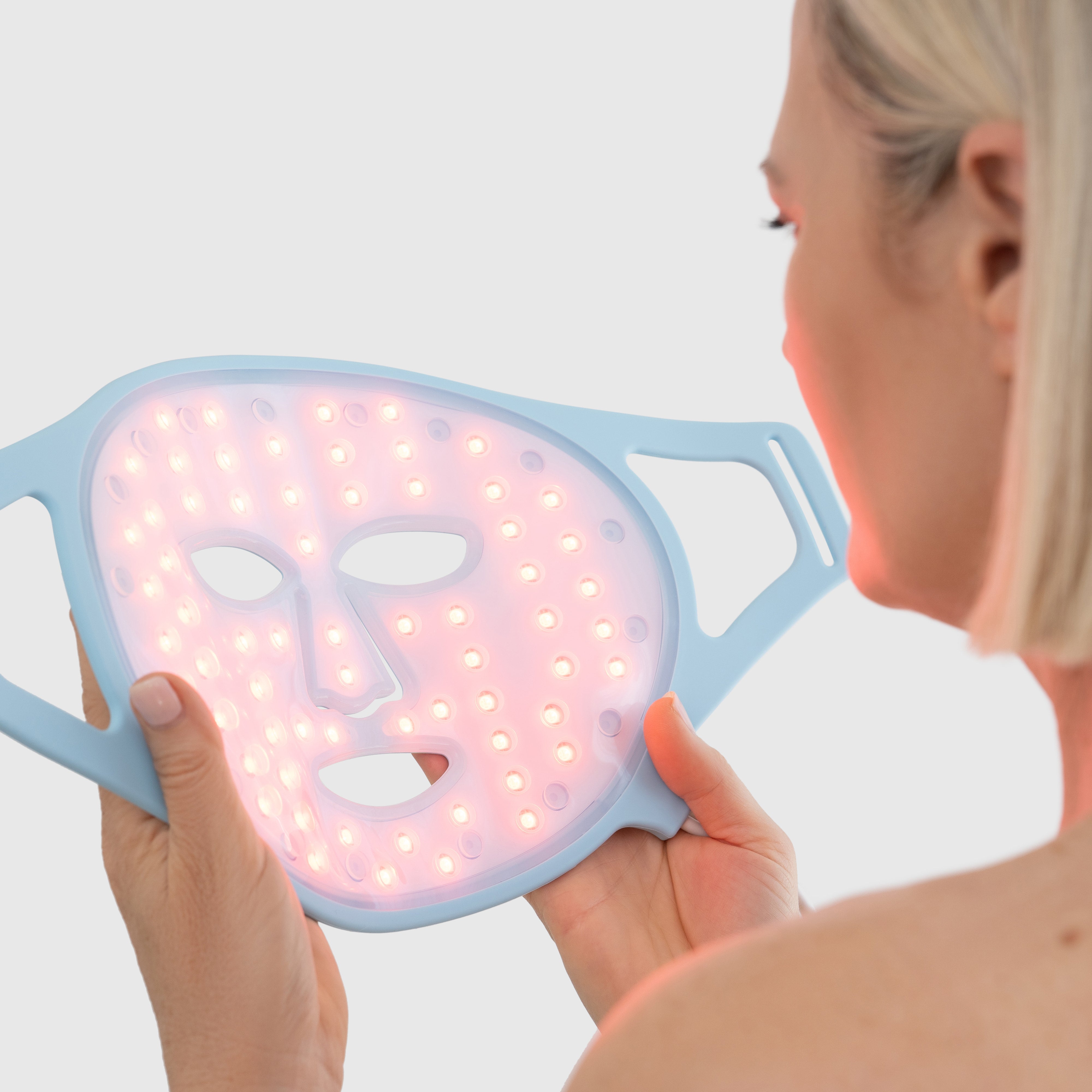
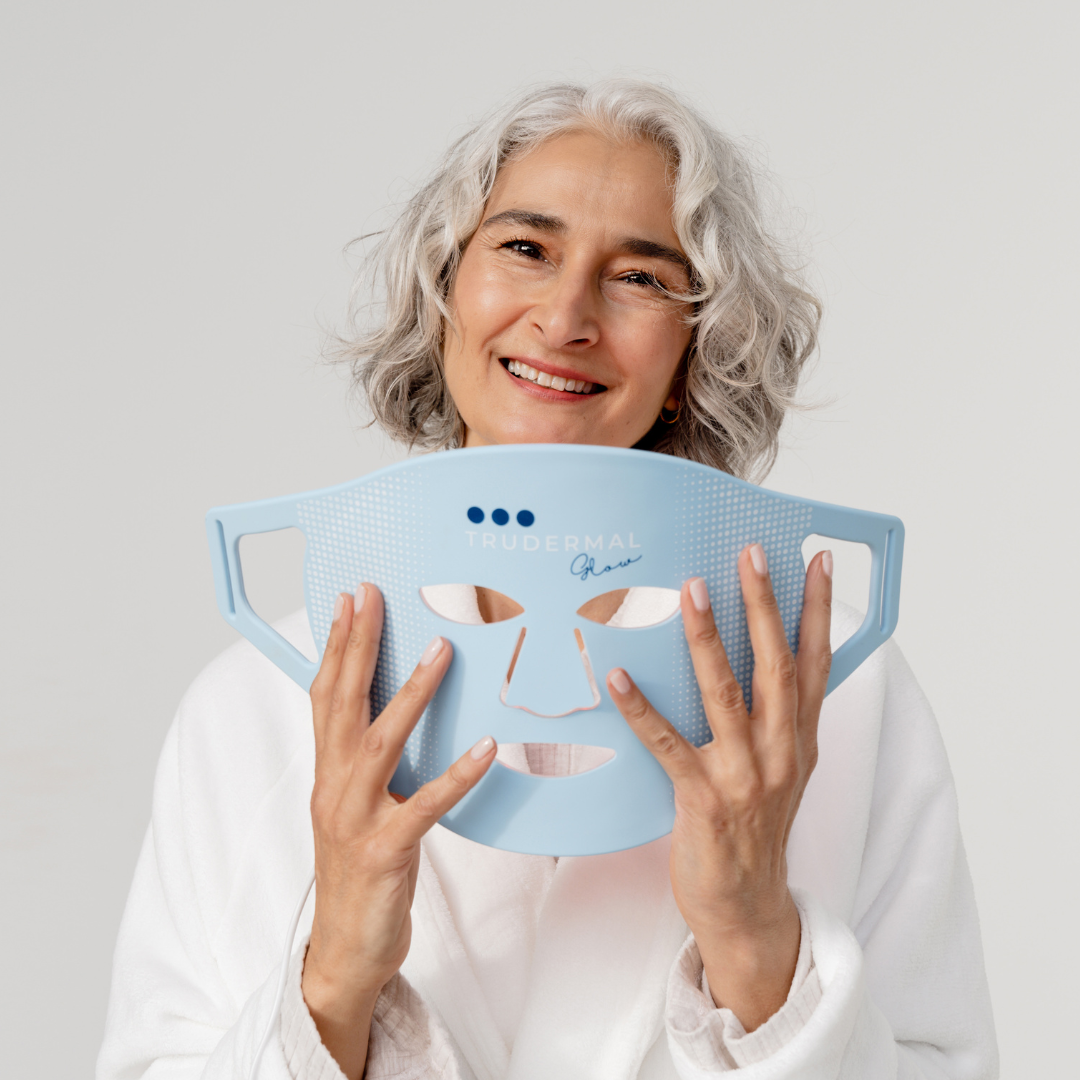
Trudermal Glow LED Light Therapy Face Mask

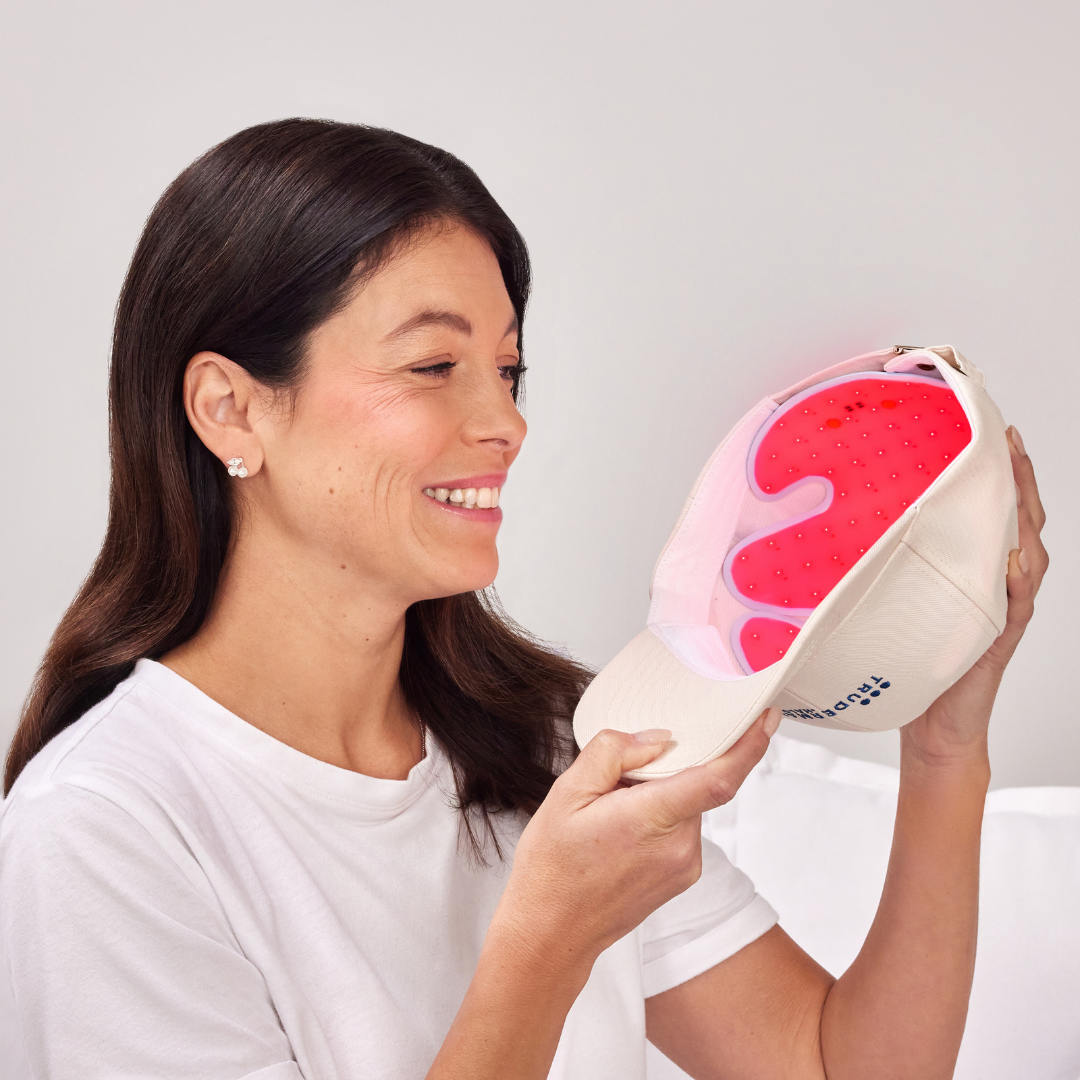
Trudermal Halo LED Hair Growth System
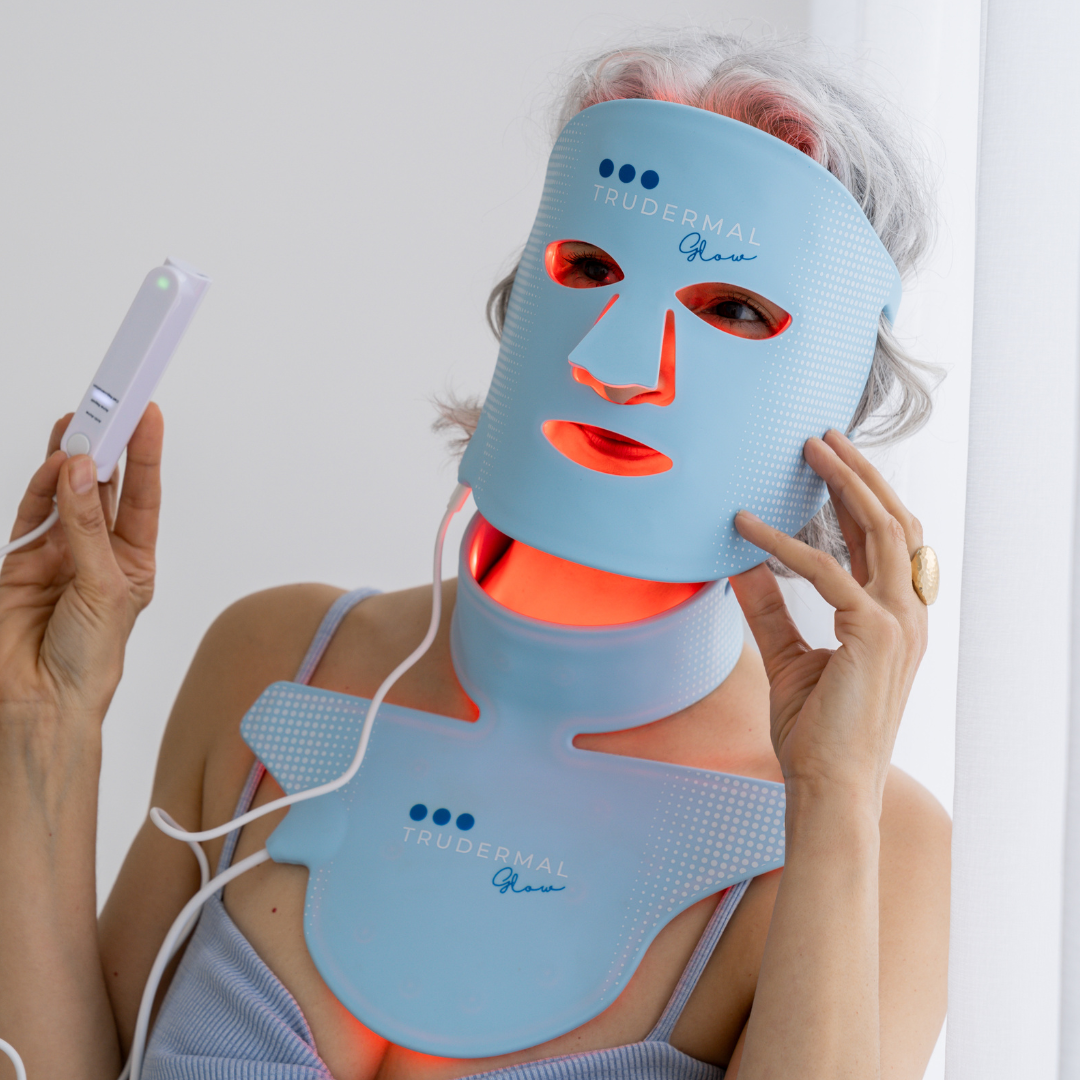


Trudermal Glow LED Neck & Décolletage Mask


From Skin to Hair —Reach Your Goals
Our LED light therapy mask and devices are designed by skin experts, backed by science, and built for real results—safely and effectively. Whether you're targeting breakouts, boosting glow, or smoothing fine lines, our tech is trusted by pros and loved by beauty lovers everywhere.




Your go-to source for expert skincare tips, LED light therapy benefits and insights, and real stories from our glowing community. From how-to guides to wellness trends, we’re here to help you feel confident and stay informed.

Your summer skin protection guide
As the mercury rises, Australians love nothing more than heading outdoors to embrace the warmer days and nights. But with our own backyard experiencing some of the highest UV radiation levels in the world, keeping your skin safe and protected isn’t always easy. Thankfully, understanding how best to best support and safeguard your skin now before temperatures start to soar, can make all the difference. The impact of the Australian sun Unfortunately, Australia has one of the highest rates of skin cancer around the world. In 2023, more than 18,200 Aussies alone were estimated to have been diagnosed with melanoma. One of the biggest causes of skin cancer comes from UV damage, which can also cause sunburn, premature aging and even eye damage. What’s more, with a particularly intense UV environment most times of the year, Australians are exposed to significant UV radiation even on cloudy days. Thankfully, there are many things we can do to prevent skin cancer and damage to our skin itself. Sun protection Sun protection is recommended whenever the UV levels reach three or higher. While many people want to get their daily dose of rays to boost their Vitamin D levels – even just a few minutes of sun exposure when levels are 3 or higher is enough. If you need to head outdoors during peak UV time, make clothing your first line of sun defence. Choose clothes that cover as much skin as possible, such as collared shirts or longer sleeves. For any areas of your skin that aren’t covered by clothing, aim to apply a generous amount of SPF 50 or SPF50+ sunscreen at least 20 minutes before heading outside. Importantly, sunscreen isn’t the first or only line of defence you have for your skin – it’s just one of many sun protection measures you should use. Smart timing UV radiation from the sun is strongest during the middle part of the day, between 10am and 4pm. Plan any outdoor activities or exercise for early in the morning or late afternoon where possible. If you do have to be outside during peak hours, seek shade at every opportunity, and remember that UV rays can reflect off water, sand, and the pavement – so shade alone is not adequate protection for your skin. Understanding photoaging While sunburn is the most obvious sign you’ve been exposed to too much sun, photoaging takes place beneath the surface and often goes unnoticed at first. As the heat itself doesn’t impact the strength of UV rays, you can actually experience skin damage even when it doesn’t feel too hot outside. UV radiation triggers a number of damaging processes in your skin, including damaging collagen fibres and causing abnormal elastin production. This can further lead to visible signs of aging such as uneven texture, age spots, deep wrinkles and more. This is why it’s important to protect your skin all-year round, not just during the warmer months. Turning up the heat While UV radiation can happen at any time of year, no matter how hot it is, we still need to remember that heat itself can accelerate skin damage. Prolonged exposure to heat, UV rays, and free radicals on your skin can accelerate visible signs of skin damage. What’s more, high humidity compounds these issues by compromising the skin barrier and potentially worsening conditions like hyperpigmentation. Stay consistent Like most things in life, consistency is key when it comes to sun protection. It’s not just for days at the beach – think of your sun safety routine as something to be done each day, just like brushing your teeth. Aim to use a broad-spectrum SPF50+ applied generously and reapplied regularly, choose protective clothing and accessories (like hats and sunglasses), avoid peak UV hours, and support your skin with antioxidant-rich nutrition as well as adequate hydration. Remember, your skin actually has an amazing capacity to regenerate with the right support. Recovery routine Your skin does most of its intensive repair work at night. Before bed, support your skin as best possible by removing the sunscreen, sweat, and any makeup worn during the day with a gentle cleanser. Vitamin C can repair existing skin damage, stimulate collagen production and is an antioxidant, so consider applying this before you head to sleep. If you’re struggling with dark spots, niacinamide may work to minimise hyperpigmentation, while retinoids can often accelerate cell turnover, fade hyperpigmentation and stimulate collagen production. Just be mindful to start with a lower concentration if you’re new to retinoids and always use them in the evening as they increase sensitivity to the sun. Finally, look for products that hydrate the skin – those with hyaluronic acid, peptides, squalane and ceramides to support collagen repair and lock-in moisture.
Learn more
Understanding your skin during menopause
Here’s what’s really happening to your skin throughout your transition, and what you can do to support your body every step of the way. While Menopause Awareness month may be coming to an end – the changes to our skin as we enter or navigate this phase of life we endure, which is why it remains the right time to talk about the impact of these hormonal shifts on the way we look and feel. At its core, menopause represents a fundamental change to the way our bodies function. When it comes to our skin, this can appear quite visible thanks to a decline in estrogen, which contributes to structural and functional skin changes. This includes everything from decreased collagen production to reduced elasticity, moisture loss, dryness and wrinkling. The collagen crisis During the early stages of menopause, our collagen stores experience a rapid decline, which can endure for many years to come. This collagen decline isn’t just about the gradual process of aging – it’s about hormonal shifts, which helps to explain why some of our skin changes can feel so sudden during this time in our lives. As collagen starts to decrease, you might notice a change in your skin’s firmness, its ability to repair itself, and how it actually feels. It may appear thinner, more fragile, and dryer than normal. The itch factor One of the most frustrating and underreported symptoms of menopausal skin changes however is the persistent itchiness, following an increase in dryness. The skin barrier (which is the protective layer of skin that keeps moisture in and irritants out) becomes compromised, which can then lead to the sensation of itchy skin – particularly on your body, arms, and legs. This itch can feel more persistent or deeper than what you may have experienced before. Getting enough shut eye Because those going through menopause often have sleep disturbances, this lack of quality sleep can also impact your skin’s ability to repair itself and regenerate. From hot flashes to night sweats, hormonal changes that affect the sleep-regulating centres in the brain and more, your skin may be visibly impacted by a rough night. The solutions you can embrace While skin treatments and topical applications can be helpful during this time, it’s also important to consider your diet and lifestyle to improve your skin’s health and resilience. Protein is at the top of this list – consider it your skin’s building blocks. Women can lose up to 40% of their muscle mass by the time they’ve gone through menopause. Protein however can support muscle strength, tone, and even skin. Your skin, hair, and nails are all made of protein, so adequate intake is super important during this time. To keep it simple and aim for quality protein alongside each meal during the day. What’s more, omega-3 fatty acids can support the skin barrier and help to combat any increase in dryness. Aim to include fatty fishlike salmon or mackerel into your regular diet. If you’re not a fan of fish, other options include adding walnuts, chia seeds, and flaxseeds to your daily intake. Importantly, fresh fruits and veggies can also provide much-needed antioxidants that help to repair cellular damage. The more colourful your plate, the better. Eating the rainbow will provide you with a range of antioxidants, which can benefit your skin and overall health. A note on collagen supplements Remember, your body breaks ingested collagen down into amino acids during digestion, but that doesn’t always mean these are reassembled as skin collagen. Instead of putting all your eggs in the supplement basket, consider consuming protein from whole food sources, which provides all the amino acids your body needs to build its own collagen, alongside other essential nutrients that supplements can’t replicate. A transition, not a decline Menopause is all about change but it’s not the end of the story. Understanding the science behind everything your body is going through may empower you to respond to each change with confidence rather than frustration. This next chapter can be just as good, if not better than the last, it’s all about perspective and arming yourself with the right information.
Learn more
Sober Skin: The Beauty Benefits of Giving Up Alcohol
How giving up alcohol may positively impact your skin From dehydration to the breakdown of collagen, the relationship between your evening glass of wine and morning complexion can be a little more complex than you might think. The relationship between skin health and alcohol runs deeper than the post-party symptoms we often experience after a big night out. From cellular level aging to inflammatory skin conditions, what we now know about alcohol’s impact on our skin is reshaping our relationship with alcohol. Here’s why you might want to consider the role of alcohol in your skin routine, and how you can still enjoy your favourite drinks without worrying about the ongoing effects to your skin. Dehydration and the domino effect As many of us know, alcohol is a diuretic, which means it can lead to a loss of hydration, leaving the skin dry and more prone to fine lines. In consuming alcohol, water is pulled away from our cells, including those our skin cells. In the short term, this can lead to dryness and skin that appears a little dull or even flaky at times. What’s more, dehydration caused by alcohol can also lead to fluid retention, which gives the appearance of swelling and puffiness. Not the best combination. Frustratingly, this tends to create a cycle where your skin can become both dehydrated and puffy all at once. Collagen under attack If you’re already concerned with skin ageing, here’s where things get a bit more serious. Just like sun damage or smoking, alcohol consumption decreases collagen production – the all-important element which keeps our skin firm, plump, and resilient to external stressors. While collagen keeps our skin firm and youthful, alcohol depletes collagen production over time, and with this loss of elasticity, we experience sagging, fine lines, and deeper wrinkles. This is particularly troubling if you’re consuming alcohol regularly, as the cumulative effects of alcohol on collagen production increase. This can significantly impact your skin’s structure and appearance over time. Nutrient depletion But wait – there’s more. Alcohol can also create a less obvious but equally important issue – nutrient depletion. Alcohol diminishes essential nutrients in the body including Vitamin A, which is super important for skin repair and renewal. Not only does it assist with cell turnover, helping our skin to shed old and damaged cells while generating fresh and healthy ones – when alcohol interferes with this process, our skin can be left dull, congested and aged. Inflammation and skin conditions Perhaps some of the most compelling research relating to alcohol’s role in inflammatory skin conditions comes from a comprehensive study published in the Journal of the American Academy of Dermatology, which followed roughly 83,000 women over a period of 14 years. Increased alcohol intake was associated with a significantly elevated risk of incident rosacea compared with those who never drink, while a cross-sectional study involving nearly 4000 subjects found that alcohol consumption was also associated with acne severity – particularly mild acne. What’s more, those of us who also experience a flushed face after a cocktail or glass of wine, are actually experiencing inflammation in real-time. This histamine reaction creates redness and flushing that may be temporary but can become an ongoing issue, especially if you experience it often and continue to drink. Your skin’s resilienceDespite all the doom and gloom, there is some good news. Your skin is actually very resilient, and many people will see a change in their skin texture and hydration levels after limiting or reducing alcohol intake. While it may take weeks or even months for these effects to come to fruition, your skin, your gut, and your wallet will thank you eventually. Making and breaking the connection Having a better understanding of how alcohol can impact the skin doesn’t mean you have to completely abstain from your nightly or weekly wine. Rather it encourages us to make more informed choices. While alcohol is considered to be one of the major lifestyle choices that ages skin ahead of time, don’t forget that other causes include excessive UV exposure and genetics. The good news? Even moderate reductions in alcohol consumption can have positive effects on the skin. Whether it’s simply adding an alcohol-free weeknight to your routine or taking longer breaks between drinks, each decision can lead to change that supports healthier, happier, and more resilient skin.
Learn more
Glow From Within: The Best Skin Superfoods
While layering serums and creams might be our go-to skin support methods, the most profound changes to your complexion might actually lie in the heart of the home – the kitchen. We’ve heard the saying ‘you are what you eat’ but when it comes to skin health, this saying couldn’t ring truer. The foods we consume don’t just fuel our bodies – they have the potential to reshape our skin’s structure, elasticity, and appearance at a cellular level. From stimulating collagen production to calming inflammation and creating an antioxidant shield, the connection between nutrition and glowing grows strong with each new study. The beautiful truth? Every meal is an opportunity to support your skin from the inside out. The Collagen Connection Here’s where things get interesting. Collagen, that coveted protein responsible for our skin’s bounce and firmness, can actually be supported by what we eat. When you consume collagen-rich foods, your digestive system breaks them down into bioactive peptides that essentially send a memo to your skin cells to make more collagen. So, what can we eat to further support this process? Bone broth is the ultimate skin elixir, while grass-fed meat and wild-caught fish can deliver those crucial amino acids your skin craves. What’s more, oral collagen supplementation has the potential to improve skin hydration and elasticity. The best approach? Try to make collagen-supporting foods a regular part of your routine whenever possible. The Skin-Soothing Impact of Omega-3s If your skin could choose one nutrient to be besties with, it would probably be omega-3 fatty acids. These powerful compounds work like internal peacekeepers, calming the inflammation that can trigger everything from acne flare-ups to premature aging. Here’s what makes omega-3s so special – they don’t just address in one skin concern. They’re super versatile. Research has shown they can help with acne, support those dealing with psoriasis and eczema and even help skin heal faster. Think of it as having a multi-tasking skincare ingredient that works from the inside. Our modern diets are often heavy on processed foods, so the best fix is trying to introduce fatty fish like salmon and sardines, walnuts with morning yoghurt or chia seeds sprinkled over just about anything. Building Your Antioxidant Army Consider antioxidants your skin’s personal security team – they’re constantly working to neutralise the free radicals that can age your skin and damage skin cells. The more colourful your plate, the stronger your antioxidant defence becomes. Blueberries reign supreme here, packing more antioxidant power than almost any other fruit or veggie. The key is to introduce variety. Different antioxidants tackle different types of damage, so try to build a diverse portfolio of foods rather than relying solely on a single superfood. Dark chocolate (yes!) can be loaded with flavonoids to support skin health, but you need to invest in the good stuff that’s 70% cacao or higher. Green tea also provides catechins that protect against sun damage. Even your morning tomato on toast is working overtime, delivering lycopene that helps to maintain skin structure. In the meantime, you may also consider introducing or increasing dark leafy greens and capsicum for an additional antioxidant boost. Go Mediterranean – a lifestyle not a diet Instead of thinking about restrictive rules or complicated meal plans, consider the Mediterranean approach – a way of eating that that naturally delivers everything your skin needs to thrive. It’s rich in omega-3s from fish, antioxidants from olive oil and colourful veggies, and anti-inflammatory compounds from herbs and spices. What makes this approach so appealing isn’t just the individual nutrients, it’s how they all work together. Research suggests this synergy might be more powerful than any single supplement or superfood. Best of all – it’s a sustainable approach to eating and living well. Think more fish, plenty of olive oil, loads of veggies, whole grains and yes, even a glass of red wine with dinner every now and then. When patience pays off While any chance in diet takes commitment – it might also take some patience before you see results. Unlike topical applications, which can often reveal results in an instant, nutritional interventions need a bit of time – potentially up to three months. Yes, it may seem like a long time, but this timeline reflects the natural process of skin cell renewal and the time it takes for nutritional changes to manifest in your skin’s structure and appearance. Understanding and accepting this will help you set realistic expectations and reinforce the importance of consistency in your skin health routine – whether you’re focused on topical or diet-based solutions.
Learn more
Get clearer, younger-looking skin
with our LED light therapy mask.
Get clearer, younger-looking skin
with our LED light therapy mask.